
That Bright Color in Your Food? Let’s Talk About It
If you have kids, you’ve probably seen it. Bright blue frosting. Neon cereal. Snacks that look more like art supplies than food.
What Are Dyes?
These dyes are added purely for appearance. They don’t improve the taste, nutrition, or quality of the food. Their purpose is to make products look more vibrant, consistent, and appealing—especially in processed and packaged foods.
You’ll often see them listed on ingredient labels as names like Red 40, Yellow 5, Yellow 6, or Blue 1. These numbers refer to specific artificial colorings that have been approved for use in food products.
In some cases, dyes are used to make food look more “natural” than it really is. For example, a strawberry-flavored product may be dyed red to match what your brain expects, even if it contains very little actual fruit.
The result is food that looks bright, fun, and familiar—but may not reflect what is actually in it.
Where Are They Found?
EVERYWHERE!
Candy
Frosting
Cereals
Sports drinks
Yogurt (especially kids versions)
Packaged snacks
Even medications and vitamins
Even in products you'd assume don't have them!
Check it out for yourself:
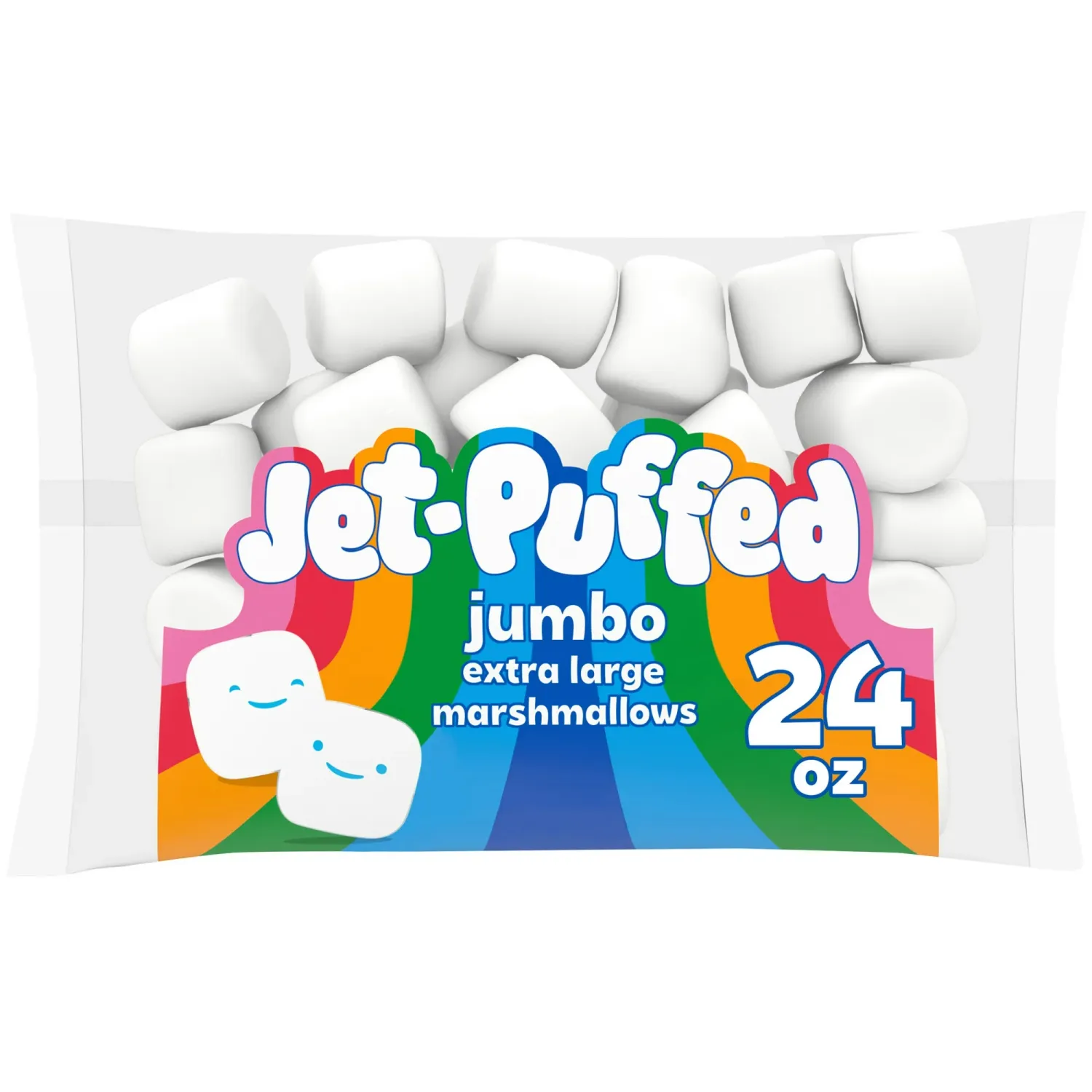
Marshmallows (Blue 1)
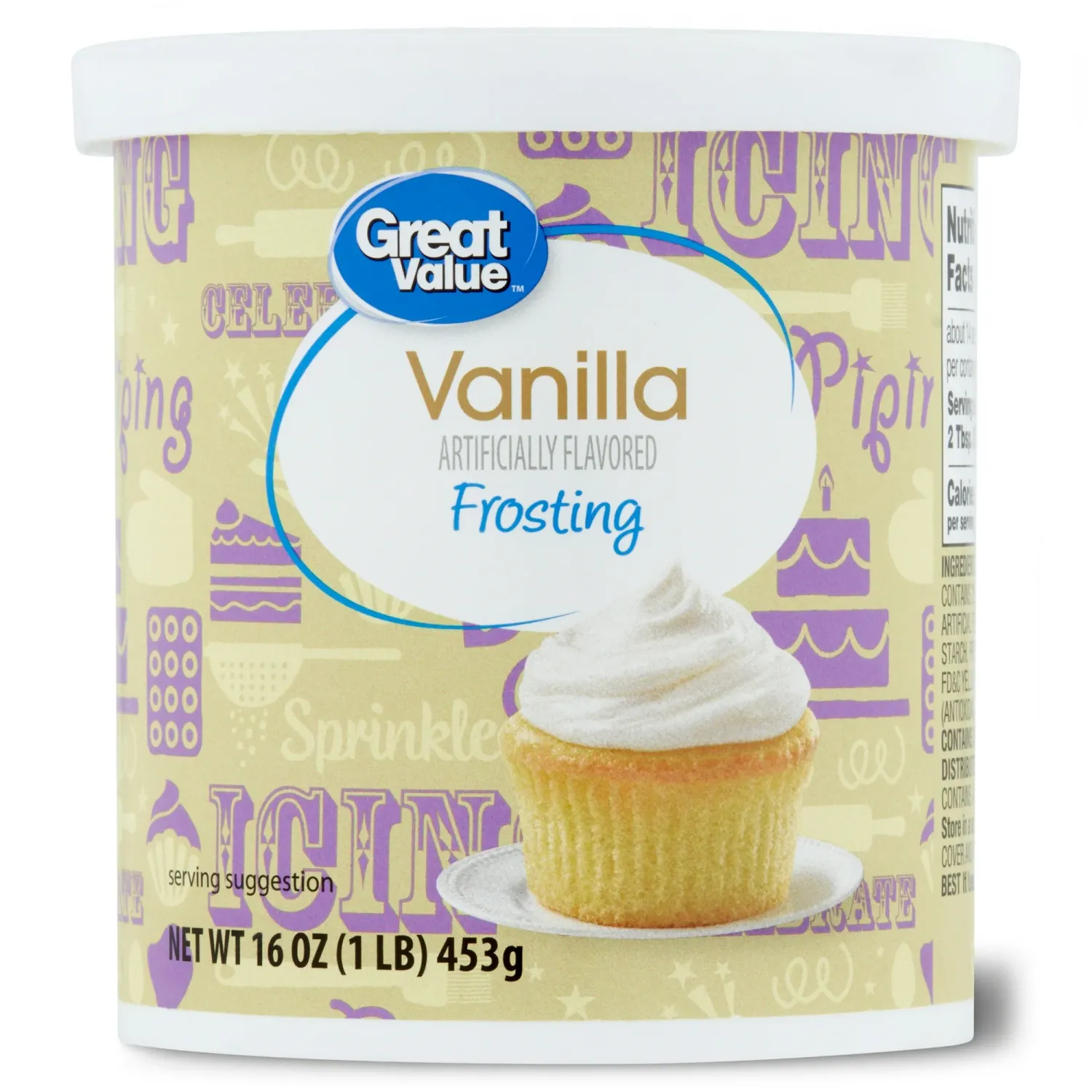
Vanilla Frosting (Yellow 1 & Red 40)
Why Do Some People Avoid Dyes?
For many people, avoiding food dyes starts with a simple question:
If these ingredients are only added for color… are they necessary?
Some parents report increased hyperactivity, mood changes, or sensitivity after consuming foods with artificial dyes. For those families, reducing dyes becomes a simple place to start.
In the United States, several artificial food dyes are still approved for use. In other countries, particularly in parts of Europe, some of these same dyes are restricted, require warning labels, or have been reformulated out of products altogether.
That difference doesn’t automatically make something “good” or “bad,” but it does lead many people to pause and ask:
Why are standards different?
And what am I comfortable with?
Some dyes are derived from petroleum-based sources, which adds another layer of concern for those trying to reduce overall chemical exposure in their daily lives.
Hyperactivity:
For many families, food dyes don’t become a concern because of research first.
They become a concern because of what parents notice in real life.
Some parents begin to connect the dots after certain foods. A brightly colored cupcake at a birthday party. A neon sports drink. A handful of candy.
For parents who notice these patterns, removing food dyes can feel like a simple experiment. Not a restriction or punishment, just a way to see if something changes.
And for many, it becomes one of the easiest places to start because food dyes are not essential. They are not adding nourishment. They are not supporting growth. They are simply there to make food look more appealing.
This doesn’t mean your child can never have a colorful treat again.
It means you begin to notice.
You begin to choose and educate them to make their own decisions.
What to do instead?
You don’t need to throw out your pantry or say no to every birthday party.
Start by becoming aware, then make small swaps where it makes sense.
Choose dye-free versions of favorite snacks
Look for naturally colored foods (beet, turmeric, spirulina)
Start with foods your kids eat daily (not occasional treats)
Real Life Example:
Take your own dye free cupcakes to birthday parties.
My children understand dyes are bad. They confidently ask someone offering them food 'Is it dye free?' or they read the labels themselves. I've had many adults shocked over the years that 'their kids would never ask that'.
Well...if you model the behavior for them and change things up. You'd be surpised the amazing things children can do!
Mine have stopped adults dead in their tracks, all because that adult might not ask themselves that question on their own.
My Favorite Dye-Free Products!
I'm not sure if you've noticed but grocery store dynamics are changing. Things I once found in our local store isn't available anymore. So I've become resourceful when shopping online, or making special trips to Whole Foods.
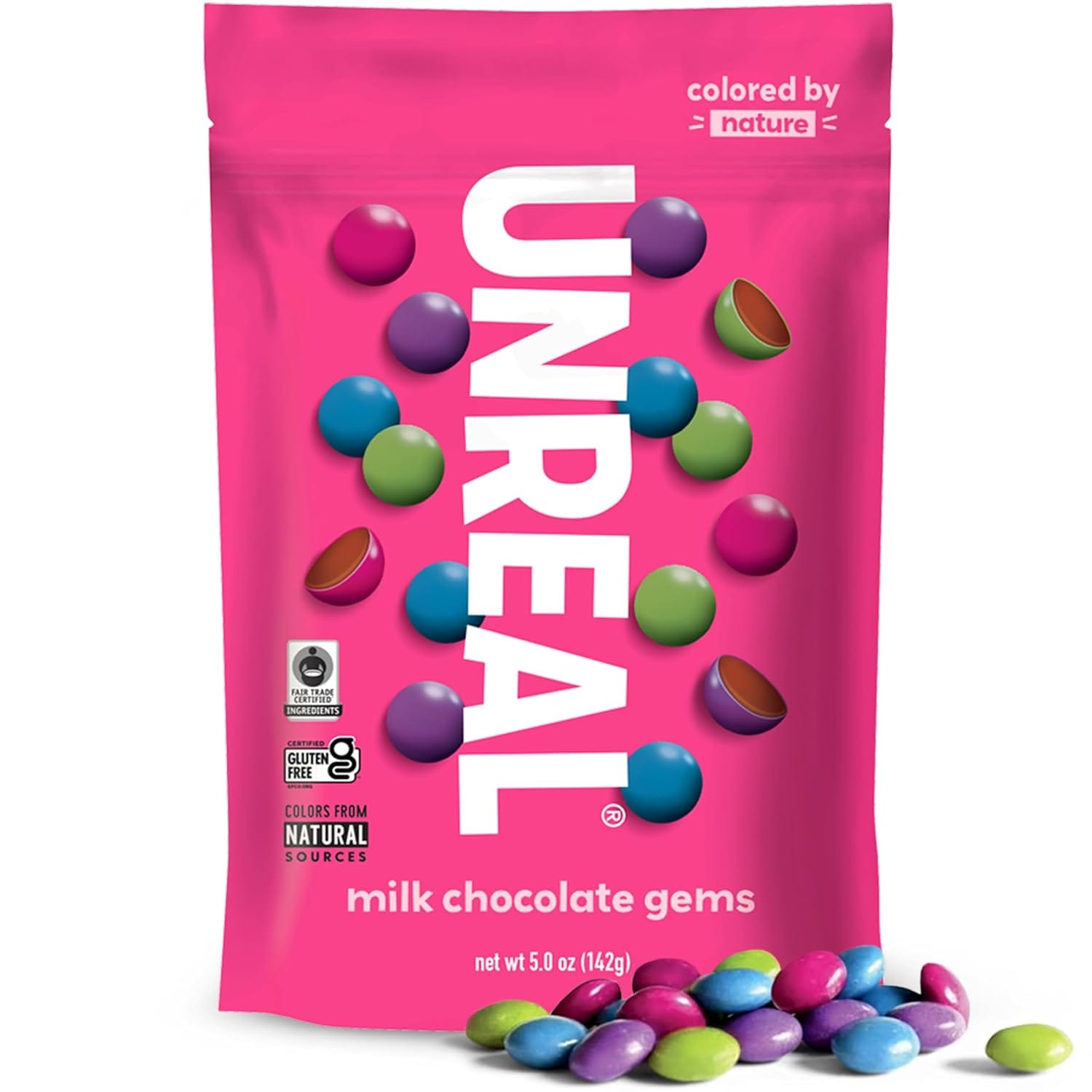
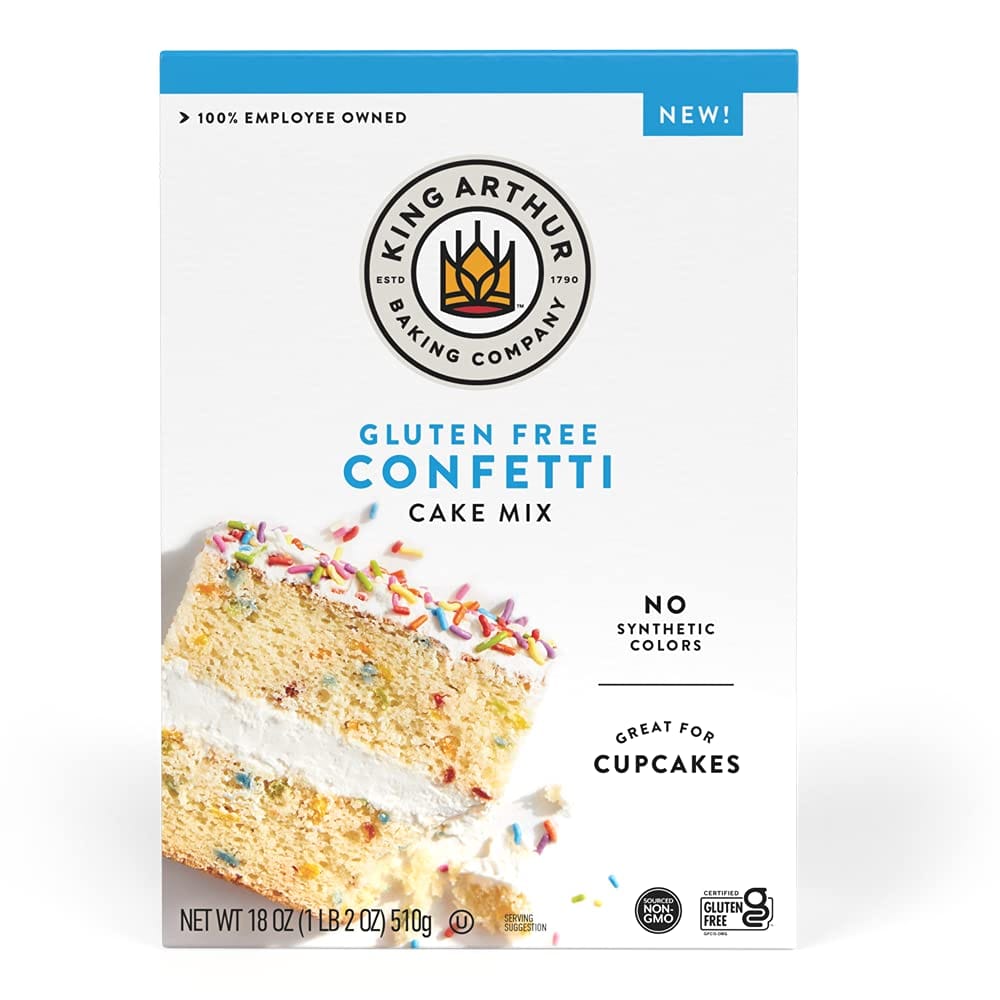
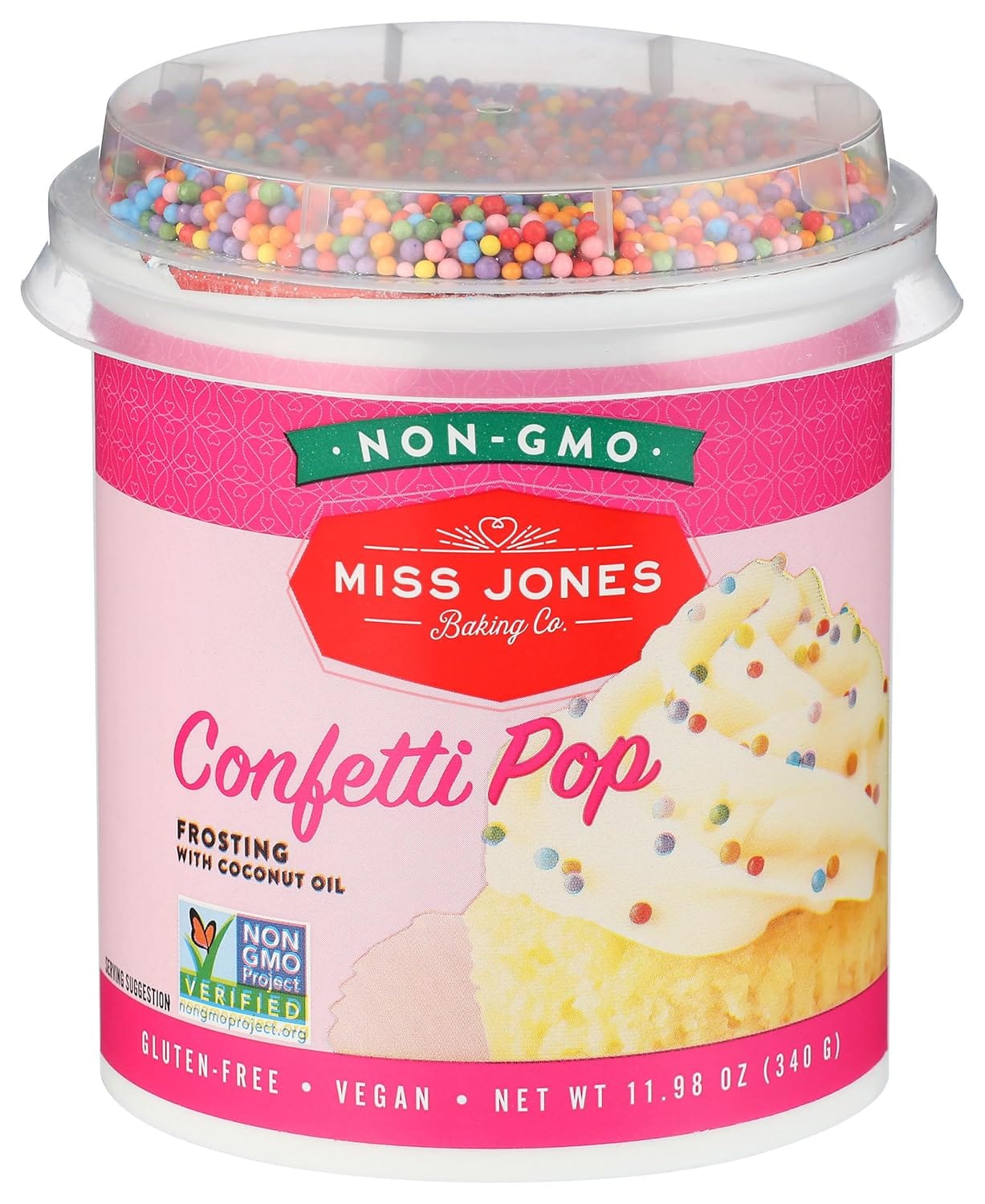
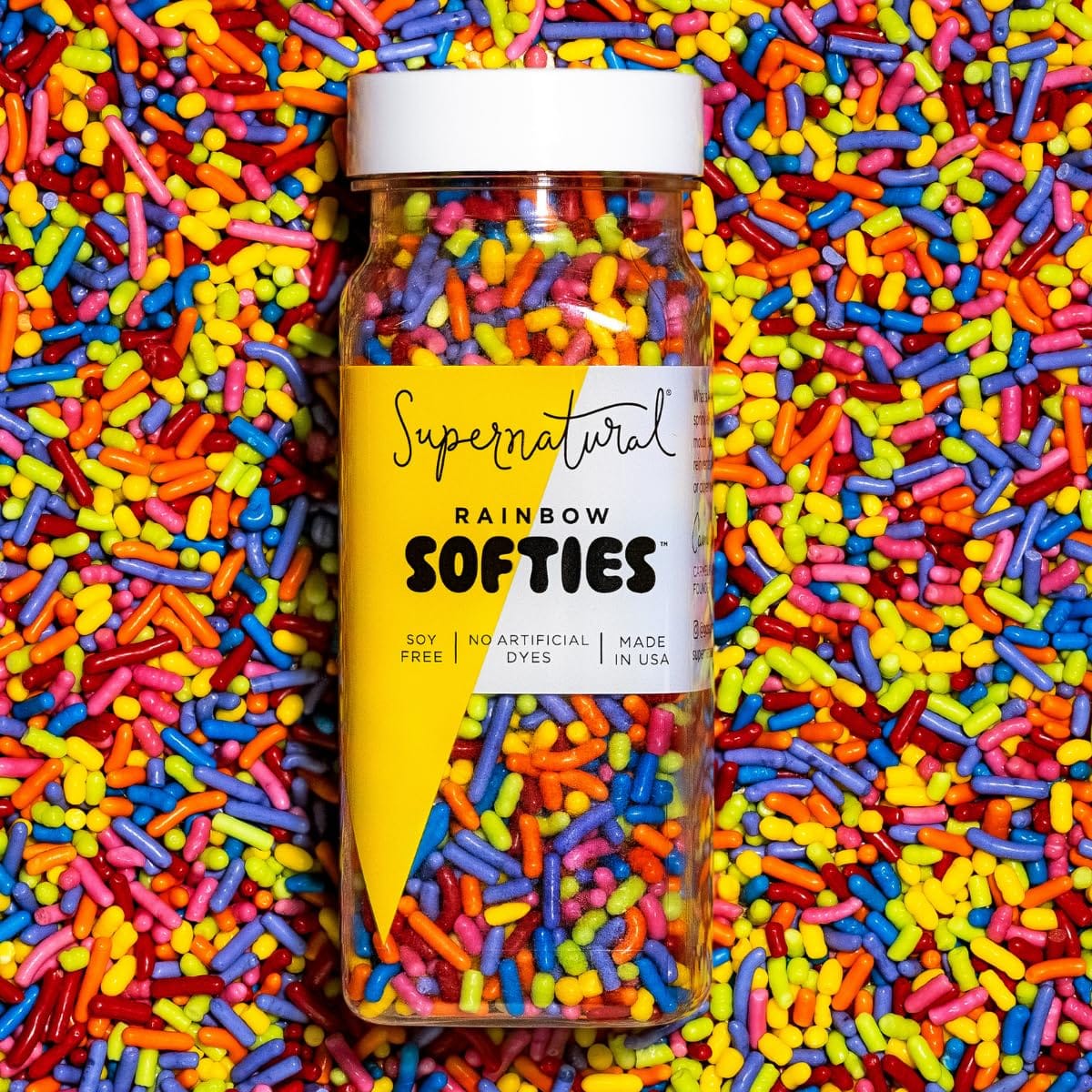
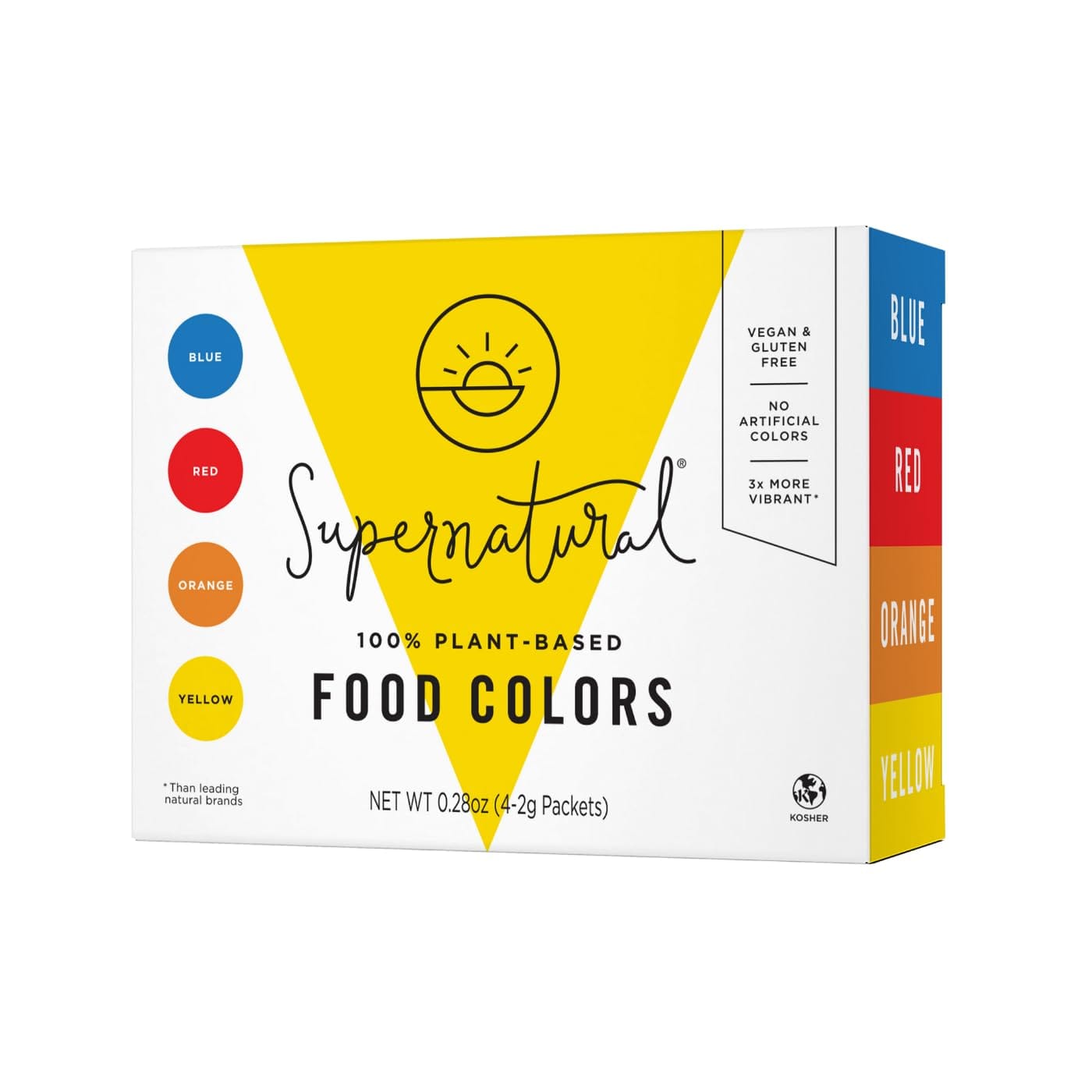
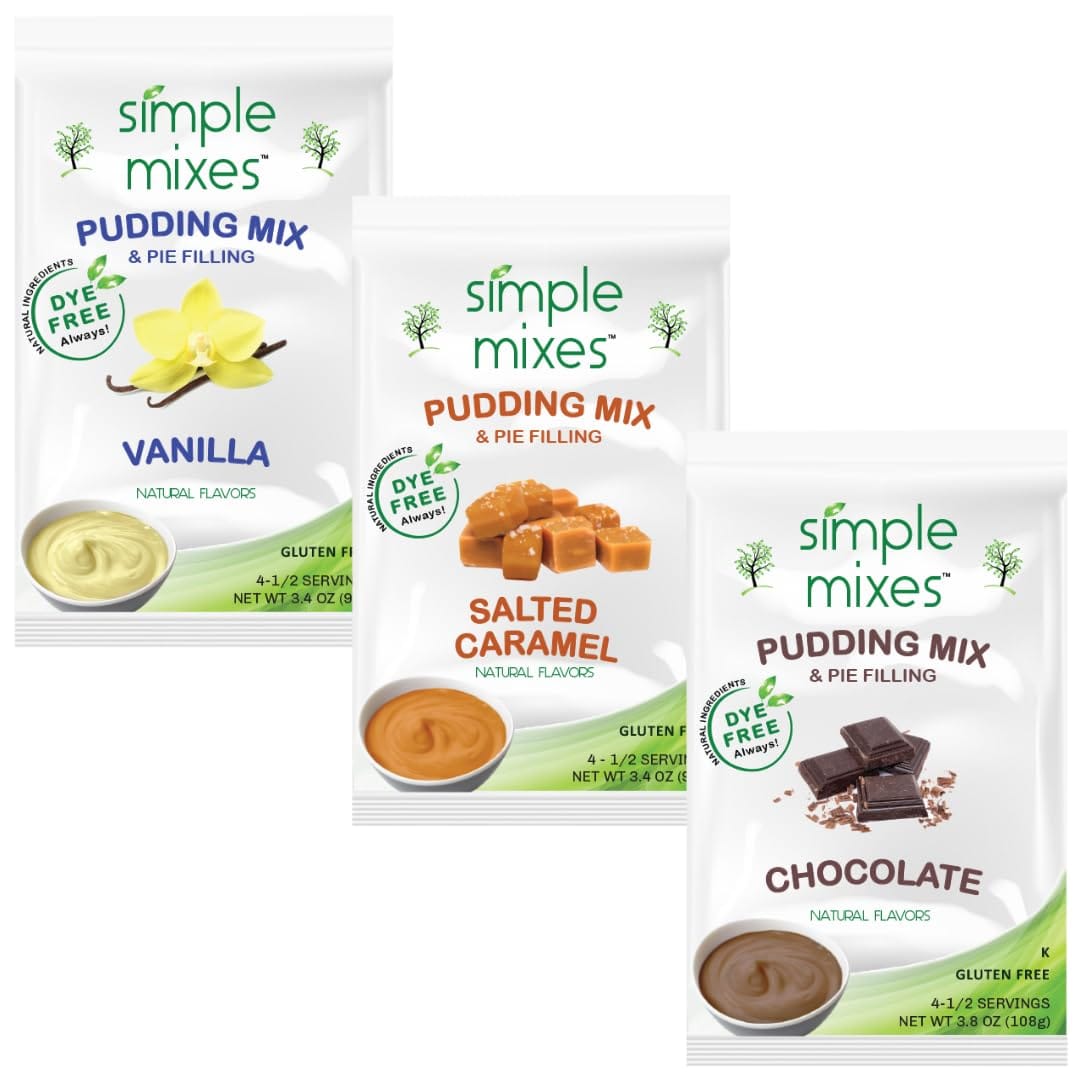
This is about reducing load, not eliminating joy.
One swap.
One upgrade.
One less daily exposure.
That is how sustainable change works.
In health & frequency,
— Kate

Hi, I'm Kate
As founder of Doable with Kate, I believe life and business should feel simple and aligned. My background in architecture shaped my love for structure and design, but my personal health journey led me into holistic wellness and non-toxic living.
Now I help women clean up their homes and businesses, build them systems that feel both authentic and profitable.


“Do the best you can until you know better.
Then when you know better, do better.” - Maya Angelou
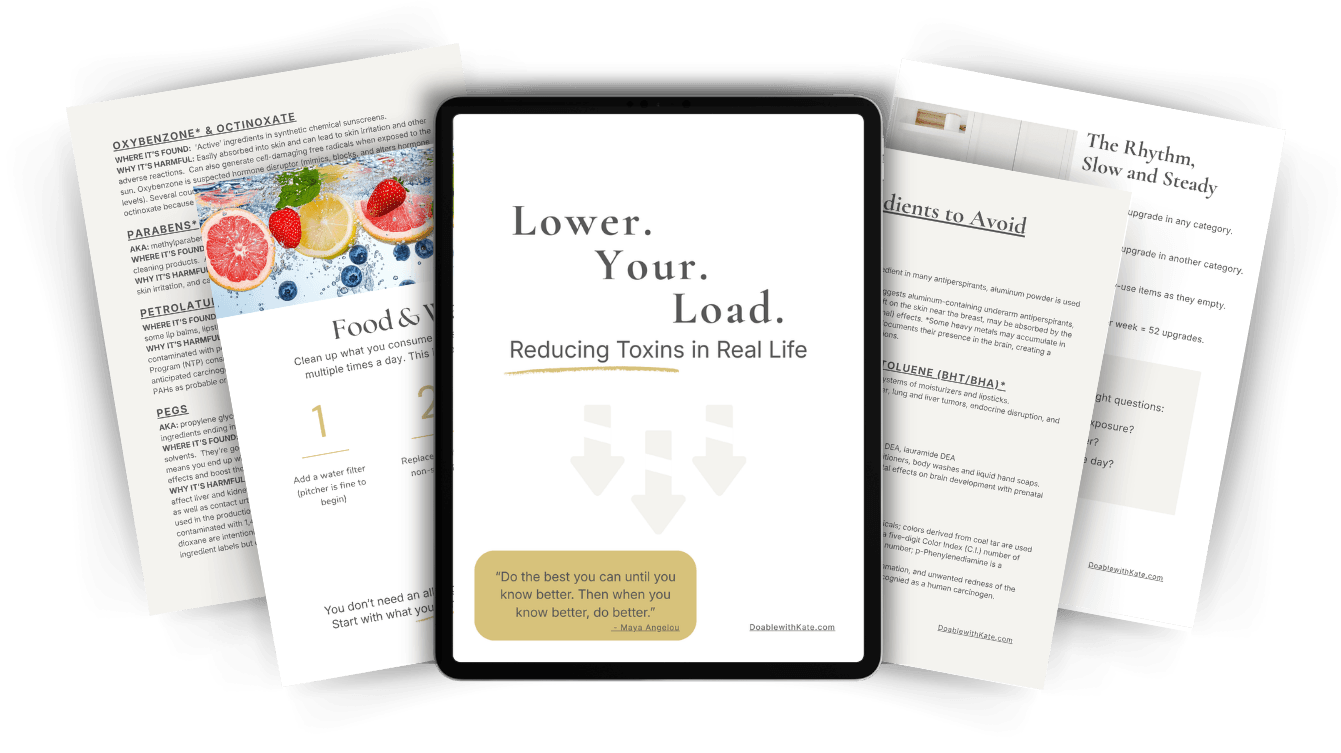
I've put together this guide 'Lower Your Load' explaining
the top 3 culprits of toxic exposure along with a
list of ingredients to avoid, so you can do better for yourself and your family.
We HATE spam. Your email address is 100% secure



© 2026 Kate Andrews | K8 Enterprises LLC - All Right Reserved | Terms & Conditions
This page may contains affiliate links, which means I may make a small commission at no extra cost to you.