Safe Sunscreen for you and your kids!
Nanoparticle Zinc & Titanium Dioxide:
What It Is and Why Some People Avoid It
What Are Nanoparticles?
Zinc oxide and titanium dioxide are commonly used in sunscreen to help protect your skin from the sun.
On their own, they’re actually considered some of the safer active sunscreen ingredients.
But here’s where things change:
👉 When they are made into nanoparticles
“Nano” means the particles are made extremely small—so small they can:
Go on clear instead of white
Feel lighter on the skin
Spread more easily
Sounds like an upgrade… but it raises a different question:
What happens when something gets that small?
Where Are They Found?
You’ll commonly find nanoparticle zinc and titanium dioxide in:
Spray sunscreens
Lightweight or “sheer” sunscreens
SPF moisturizers
Powder foundations with SPF
Baby rash creams (sometimes)
They’re especially common in products marketed as 'invisible' or 'sheer finish'
Why do people avoid it?
This isn’t about fear—it’s about how the product is used.
1. Inhalation (this is the big one)
When these ingredients are in sprays or powders, they can be inhaled.
That means they’re not just sitting on your skin—they’re entering your lungs.
Research has raised concerns about how nanoparticles may interact with lung tissue when inhaled, which is why many experts recommend avoiding aerosolized forms.
2. Particle Size + Absorption Questions
Because nanoparticles are so small, there are ongoing discussions and research around:
How they interact with the body
Whether they penetrate deeper layers
Long-term effects of repeated exposure
The science here is still evolving but for some people, that uncertainty is enough to choose differently.
Personally, I question the small particles ability to cross the blood brain barrier and cause irritations.
3. It’s About Form, Not Just Ingredient
👉 Zinc oxide itself is not the problem
👉 Titanium dioxide itself is not the problem
It’s the form (nano vs non-nano) and how it’s used (spray vs lotion)
Think about how sunscreen is used:
Sprayed on kids at the beach
Applied quickly before heading out
Reapplied throughout the day
If it’s a spray or powder, there’s a good chance some of it is being inhaled.
That’s where awareness comes in.
And for many people, that’s enough to reconsider.
The Doable Approach:
You don’t need to avoid sunscreen.
(We are NOT skipping sunscreen ☀️)
Instead, make a simple shift. Choose non-nano zinc oxide when possible. Opt for lotions or creams instead of sprays (I know they're convenient but what are you trading?) Avoid aerosols and powders especially around the face.
That’s it.
No stress.
No perfection.
Just one better choice at a time.
Because lowering your toxic load isn’t about eliminating everything.
It’s about reducing unnecessary exposure where it makes the most sense.
Product Swap Options:
To make this easier, because I've put in the time, you shouldn't have to as well!
Here are the products (amazon friendly) kid tested and non-toxic family approved. You can click on them now and add them to cart to have when you're ready!
No stress.
No guessing.
Just a simple swap when you’re ready.
Because lowering your toxic load shouldn’t feel overwhelming.
It should feel doable.
These are products we use every summer!
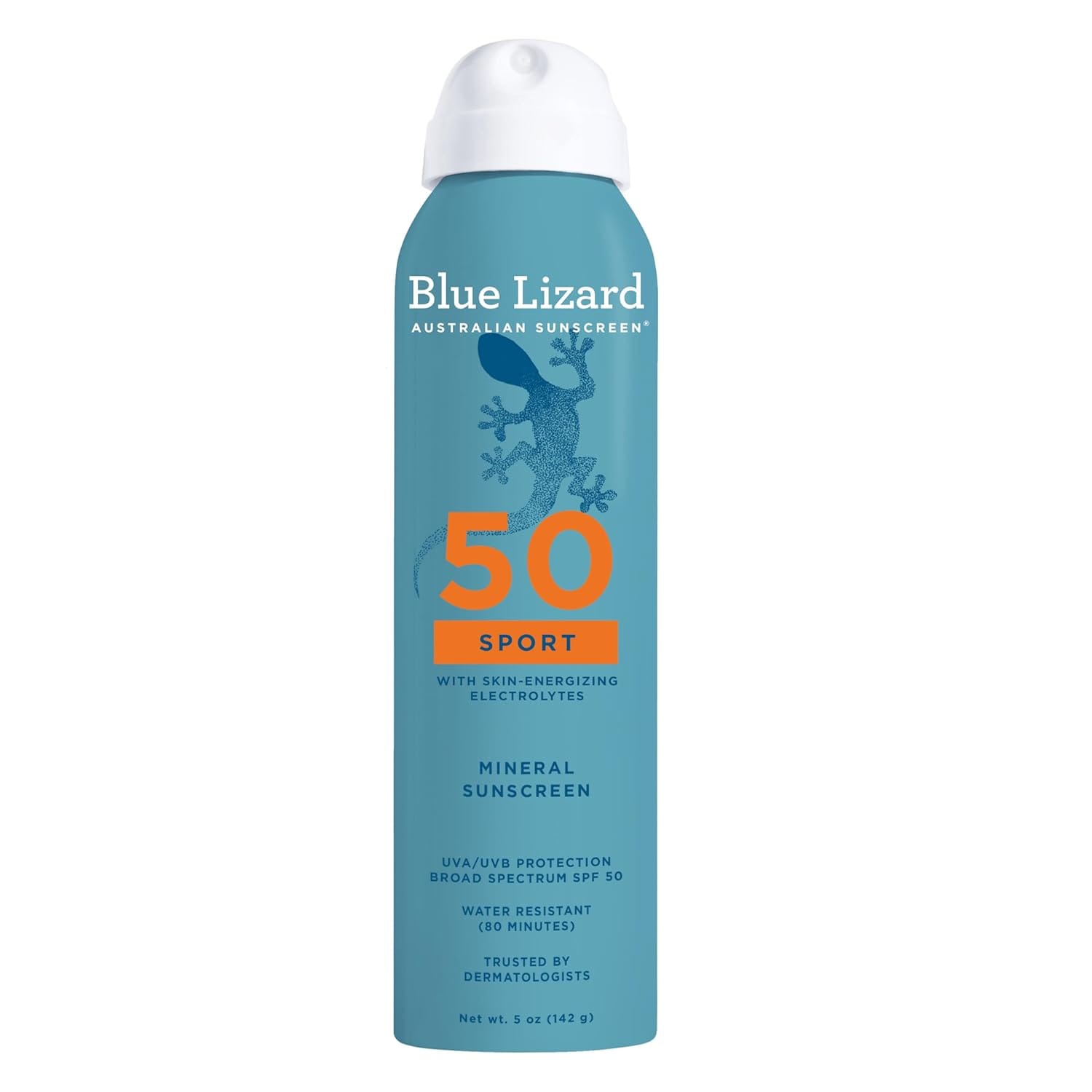
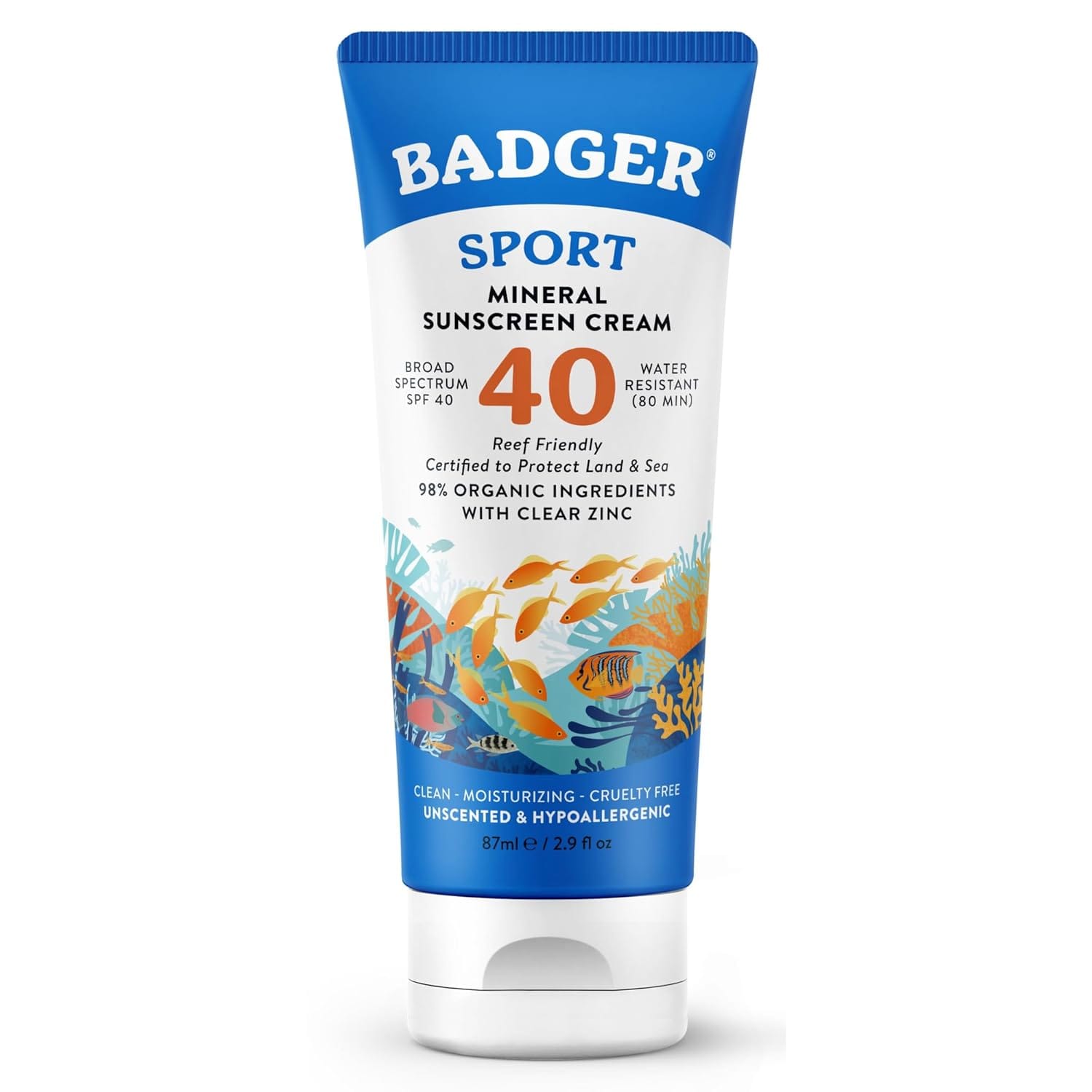
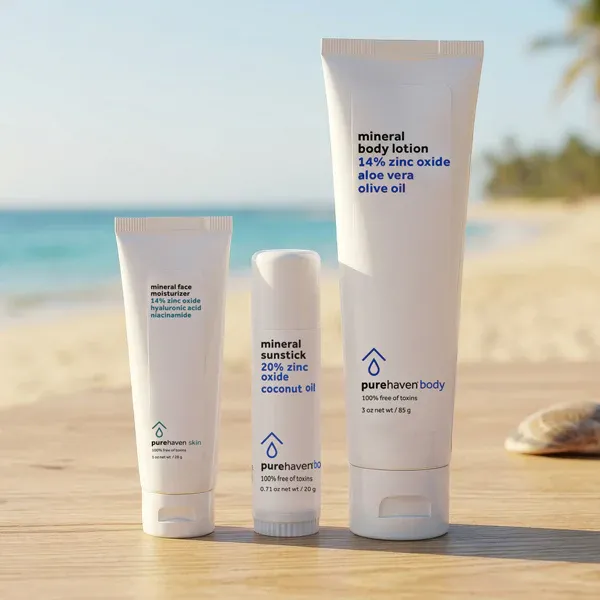
This is about reducing load, not eliminating joy.
One swap.
One upgrade.
One less daily exposure.
That is how sustainable change works.
In health & frequency,
— Kate

Hi, I'm Kate
As founder of Doable with Kate, I believe life and business should feel simple and aligned. My background in architecture shaped my love for structure and design, but my personal health journey led me into holistic wellness and non-toxic living.
Now I help women clean up their homes and businesses, build them systems that feel both authentic and profitable.


“Do the best you can until you know better.
Then when you know better, do better.” - Maya Angelou
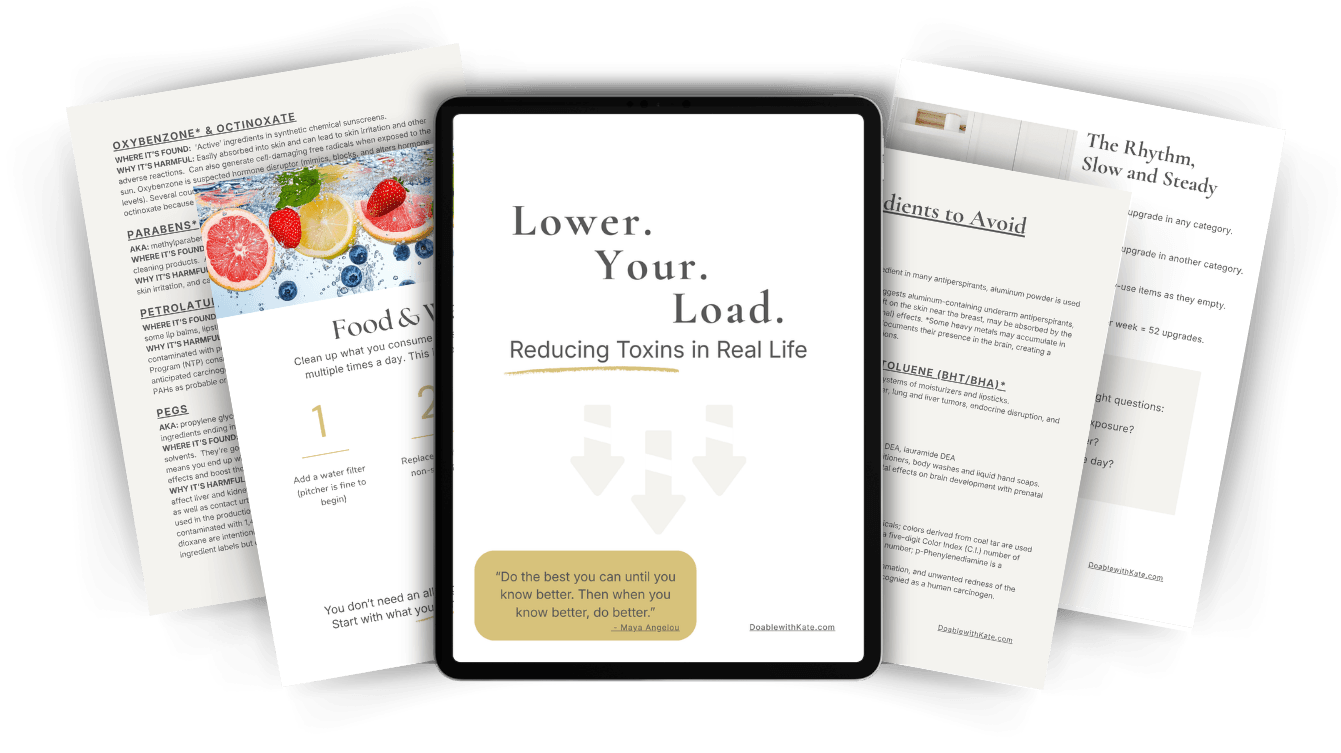
I've put together this guide 'Lower Your Load' explaining
the top 3 culprits of toxic exposure along with a
list of ingredients to avoid, so you can do better for yourself and your family.
We HATE spam. Your email address is 100% secure



© 2026 Kate Andrews | K8 Enterprises LLC - All Right Reserved | Terms & Conditions
This page may contains affiliate links, which means I may make a small commission at no extra cost to you.