
Mineral Oil Sounds Harmless… But Is It?
Mineral oil in skincare products.
What is Mineral Oil?
Mineral oil sounds simple. Almost healthy.
But it’s actually a byproduct of petroleum—the same raw material used to make gasoline and other industrial products.
Before it’s used in cosmetics, it goes through a refining process to make it 'safe' for use in personal care products.
In that refined form, it becomes a clear, odorless oil that is commonly added to products to create a smooth, moisturizing feel.
You’ll often find it listed as:
Mineral Oil
Paraffinum Liquidum
Petrolatum
It’s used so frequency because it’s inexpensive, stable, and effective at doing one thing really well, sitting on top of the skin.
Where Is Mineral Oil Found?
You’ll often see it in:
Lotions and moisturizers
Baby oil
Lip balm
Ointments and creams
Makeup removers
It’s especially popular in products marketed for dry or sensitive skin, because it creates a soft, smooth feeling almost instantly.
Why do people avoid it?
This is where things get interesting.
Mineral oil doesn’t actually nourish the skin.
Instead, it works by creating a barrier on the surface that helps prevent moisture from escaping.
That can feel helpful in the moment but for some people, this raises a few concerns.
1. It Doesn’t Feed the Skin
Unlike plant-based oils, mineral oil doesn’t contain vitamins, antioxidants, or fatty acids.
Mineral oil sits on top of the skin rather than nourishing it, so people choose ingredients that offer more skin benefits.
2. It Can Trap What’s Underneath
Because it forms a barrier, it can also trap:
Dirt
Sweat
Bacteria
For some people, this may contribute to clogged pores or irritation over time.
3. It’s Petroleum-Derived
Some people prefer to avoid petroleum-derived ingredients altogether, even when refined.
Mineral oil is often used in products applied daily:
Lotion after every shower
Lip balm throughout the day
Baby products used multiple times
So while each use seems small, the exposure is consistent.
And for many people, that’s enough to reconsider.
The Doable Approach:
You don’t need to toss every product that contains mineral oil.
You don’t need to overhaul your routine overnight.
Start by noticing.
Where does it show up in your daily routine?
What do you use the most?
Then, as products run out, begin choosing alternatives made with:
Coconut oil
Jojoba oil
Shea butter
Other plant-based ingredients
That’s it.
No stress.
No perfection.
Just one better choice at a time.
Because lowering your toxic load isn’t about eliminating everything.
It’s about reducing unnecessary exposure where it makes the most sense.
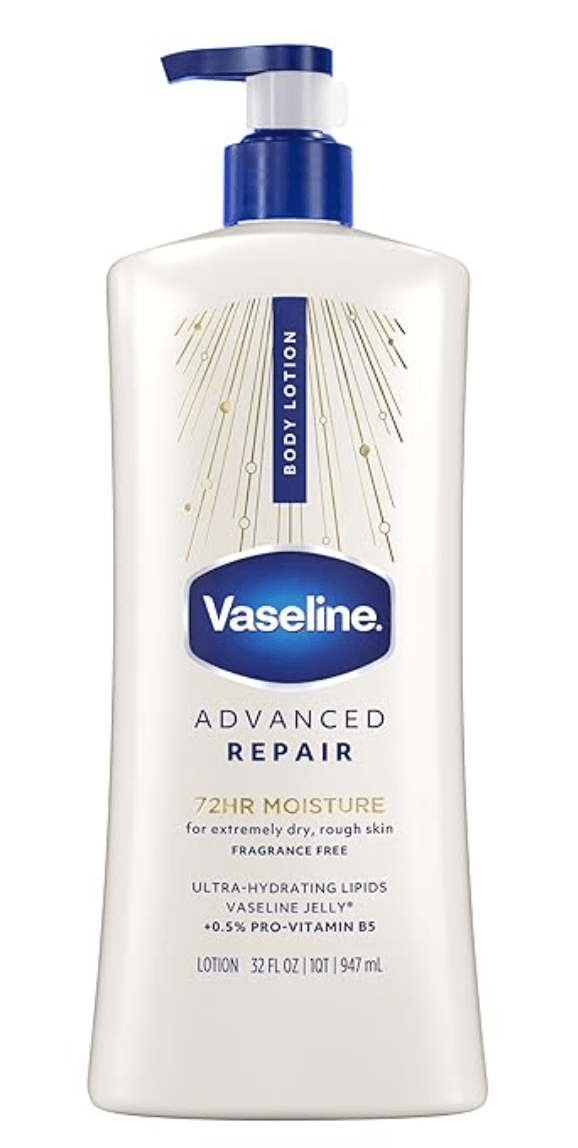
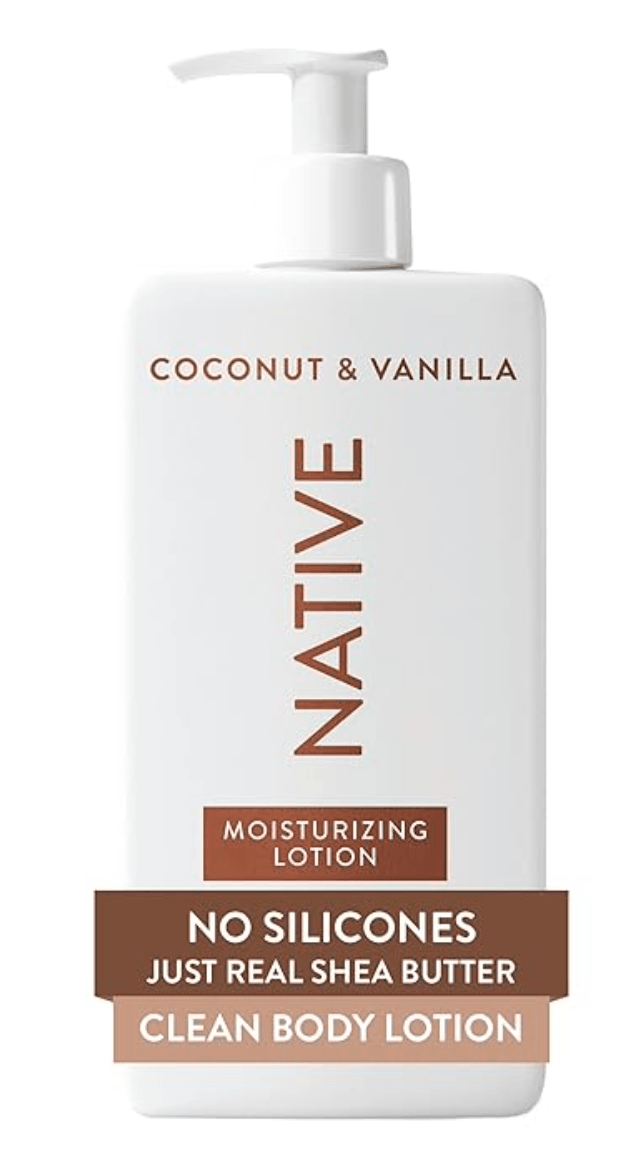
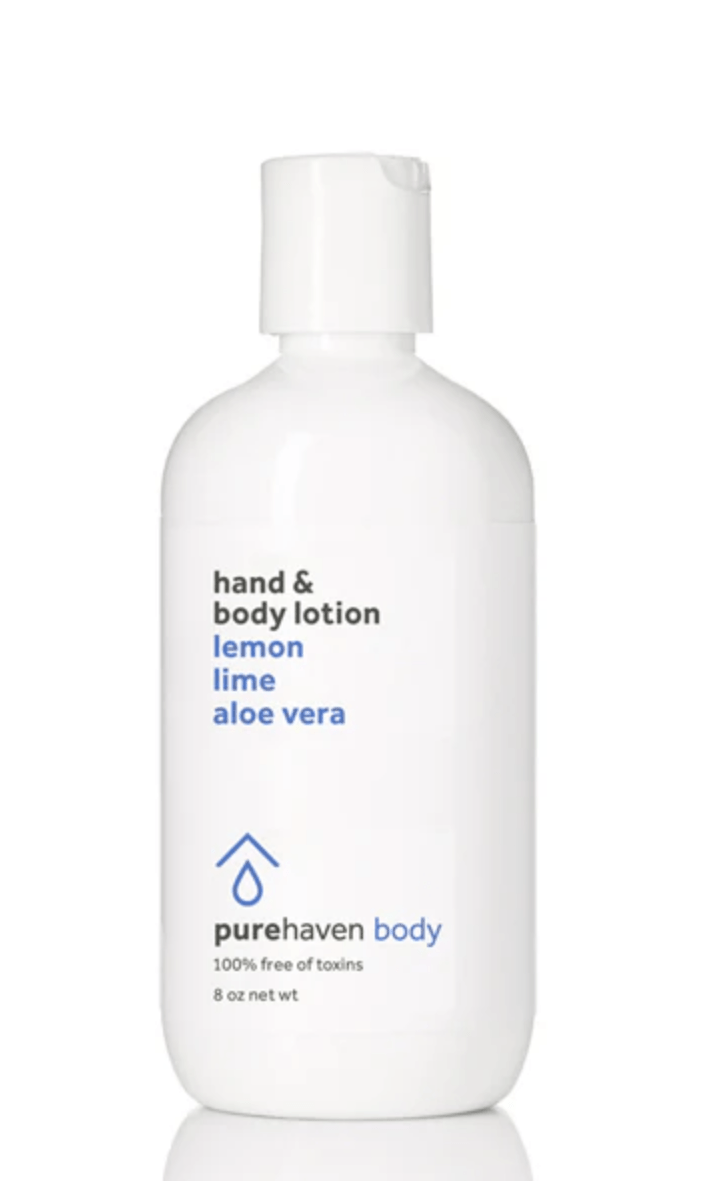
Product Swap Options:
To make this easier, because I've put in the time, you shouldn't have to as well!
Here are the products (amazon friendly) I personally use and trust. You can click on them now and add them to cart to have when you're ready!
No stress.
No guessing.
Just a simple swap when you’re ready.
Because lowering your toxic load shouldn’t feel overwhelming.
It should feel doable.
This is about reducing load, not eliminating joy.
One swap.
One upgrade.
One less daily exposure.
That is how sustainable change works.
In health & frequency,
— Kate

Hi, I'm Kate
As founder of Doable with Kate, I believe life and business should feel simple and aligned. My background in architecture shaped my love for structure and design, but my personal health journey led me into holistic wellness and non-toxic living.
Now I help women clean up their homes and businesses, build them systems that feel both authentic and profitable.


“Do the best you can until you know better.
Then when you know better, do better.” - Maya Angelou
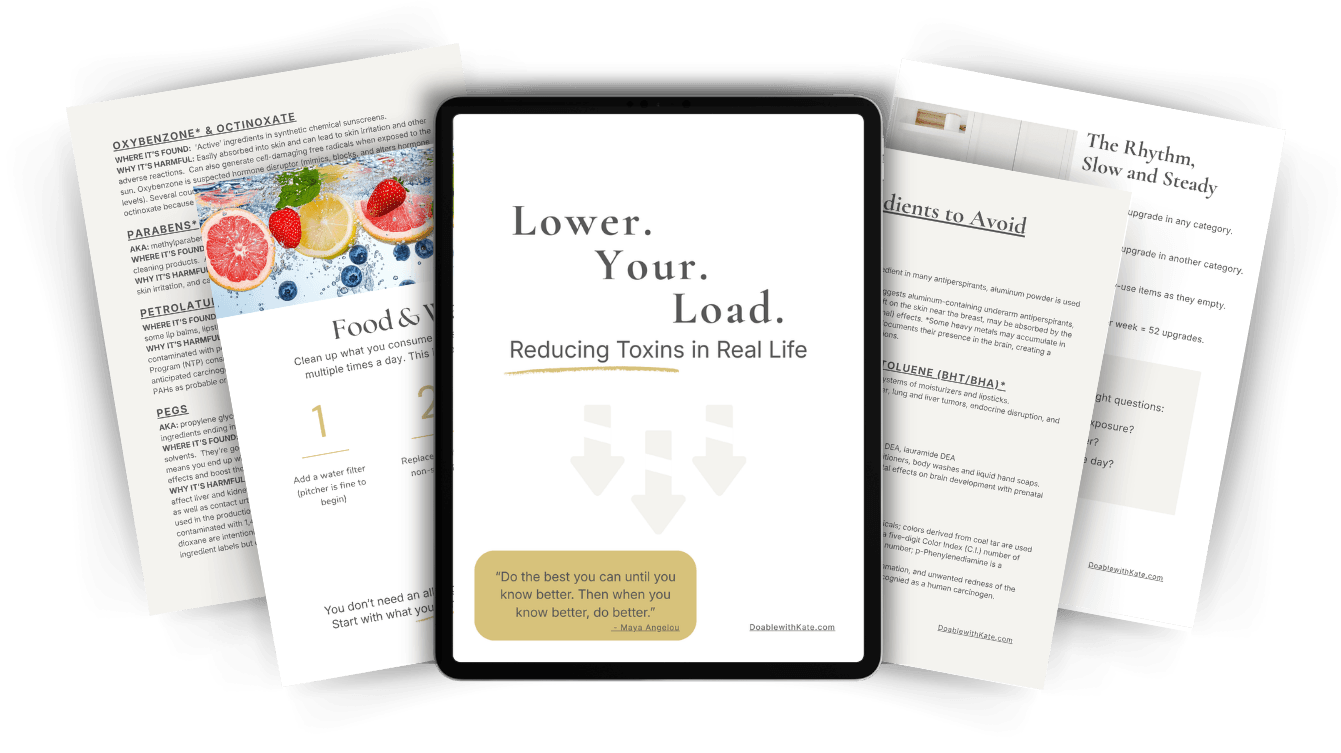
I've put together this guide 'Lower Your Load' explaining
the top 3 culprits of toxic exposure along with a
list of ingredients to avoid, so you can do better for yourself and your family.
We HATE spam. Your email address is 100% secure



© 2026 Kate Andrews | K8 Enterprises LLC - All Right Reserved | Terms & Conditions
This page may contains affiliate links, which means I may make a small commission at no extra cost to you.