Isobutane Explained: A Simple Way to Lower Your Toxic Load
If you’ve ever used hairspray, dry shampoo, sunscreen or shaving cream, you’ve likely used a product that contains isobutane.
It’s not something most people look for on a label.
But once you see it, it raises a natural question:
What is that doing in something I’m putting on my body?
What is Isobutane?
Isobutane is a type of gas commonly used as a propellant in aerosol products. Its job is simple.
It helps push the product out of the can in a fine mist or foam.
You’ll find it in products that spray, expand, or dispense easily—giving that smooth, even application people expect.
It’s not added for skin benefits.
It’s not there for nourishment.
It’s there purely for function.
Where Are They Found?
You’ll often see it in:
Hairspray
Dry shampoo
Shaving cream
Mousse
Spray deodorants
Sunscreen sprays
These are products that are used regularly and often applied close to the face or inhaled during use.
That’s what makes people start to pay attention.
Why do people avoid it?
For many people, the concern with isobutane isn’t just about what goes on the skin.
It’s about what is being inhaled during use.
When you spray an aerosol product, you’re not just applying it. With each spray your breathing in small particles at the same time.
Some people report sensitivity to these types of products, including:
Eye, nose, or throat irritation
Headaches
Respiratory discomfort
There is also a broader awareness that isobutane is a highly flammable gas and derived from petroleum sources, which raises questions for those trying to reduce overall chemical exposure in their home.
Again, this is not about a single use.
It’s about repeated, everyday exposure, especially in enclosed spaces like bathrooms.
Let's analyze how one may use these products.
Spraying dry shampoo before heading out the door.
Using hairspray in a small bathroom.
Applying sunscreen spray on your kids.
These moments are quick.
But they happen often.
With aerosol products, exposure isn’t just on the skin but in the air you breathe.
That’s what makes people pause.
The Doable Approach:
When you learn something like this, it’s easy to feel like you need to change everything.
You don’t.
At Doable with Kate, we keep it simple.
Start by noticing.
Which products in your home are aerosol-based?
Which ones do you use most often?
You don’t need to throw anything away.
Instead, shift your rhythm.
As products run out, consider choosing non-aerosol alternatives like:
Pump sprays
Cream-based products
Roll-ons or sticks
One small change at a time.
Because lowering your toxic load isn’t about eliminating everything.
It’s about reducing unnecessary exposure where it makes the most sense.
Product Swap Options:
To make this easier, because I've put in the time, you shouldn't have to as well!
Here are the products (amazon friendly) I personally use and trust. You can click on them now and add them to cart to have when you're ready!
No stress.
No guessing.
Just a simple swap when you’re ready.
Because lowering your toxic load shouldn’t feel overwhelming.
It should feel doable.
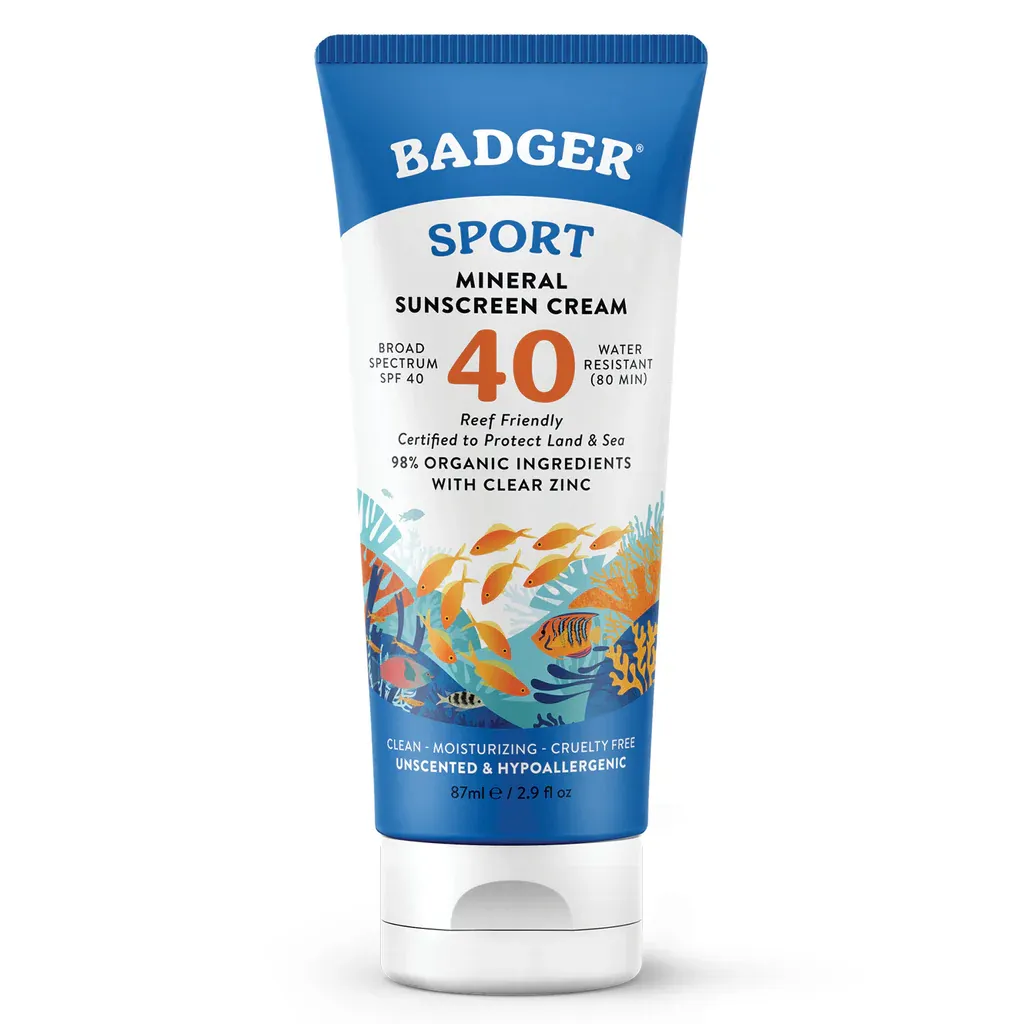
Everyone gets this at the beach. Simplify life: this sunscreen is thicker so multiple applications aren't always necessary!
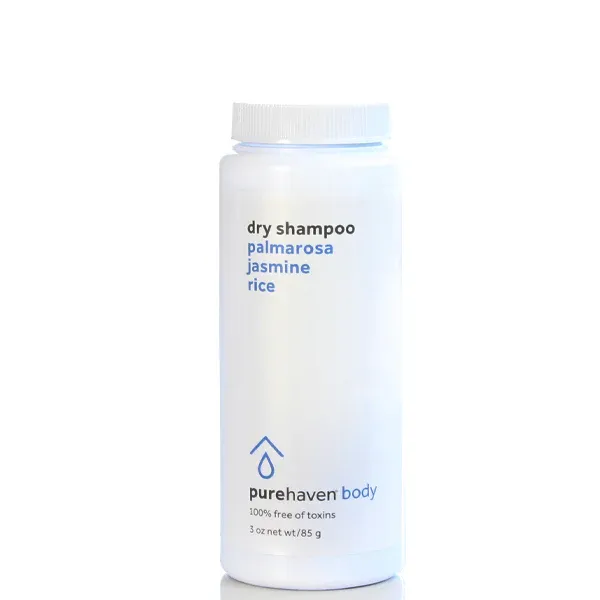
This is about reducing load, not eliminating joy.
One swap.
One upgrade.
One less daily exposure.
That is how sustainable change works.
In health & frequency,
— Kate

Hi, I'm Kate
As founder of Doable with Kate, I believe life and business should feel simple and aligned. My background in architecture shaped my love for structure and design, but my personal health journey led me into holistic wellness and non-toxic living.
Now I help women clean up their homes and businesses, build them systems that feel both authentic and profitable.


“Do the best you can until you know better.
Then when you know better, do better.” - Maya Angelou
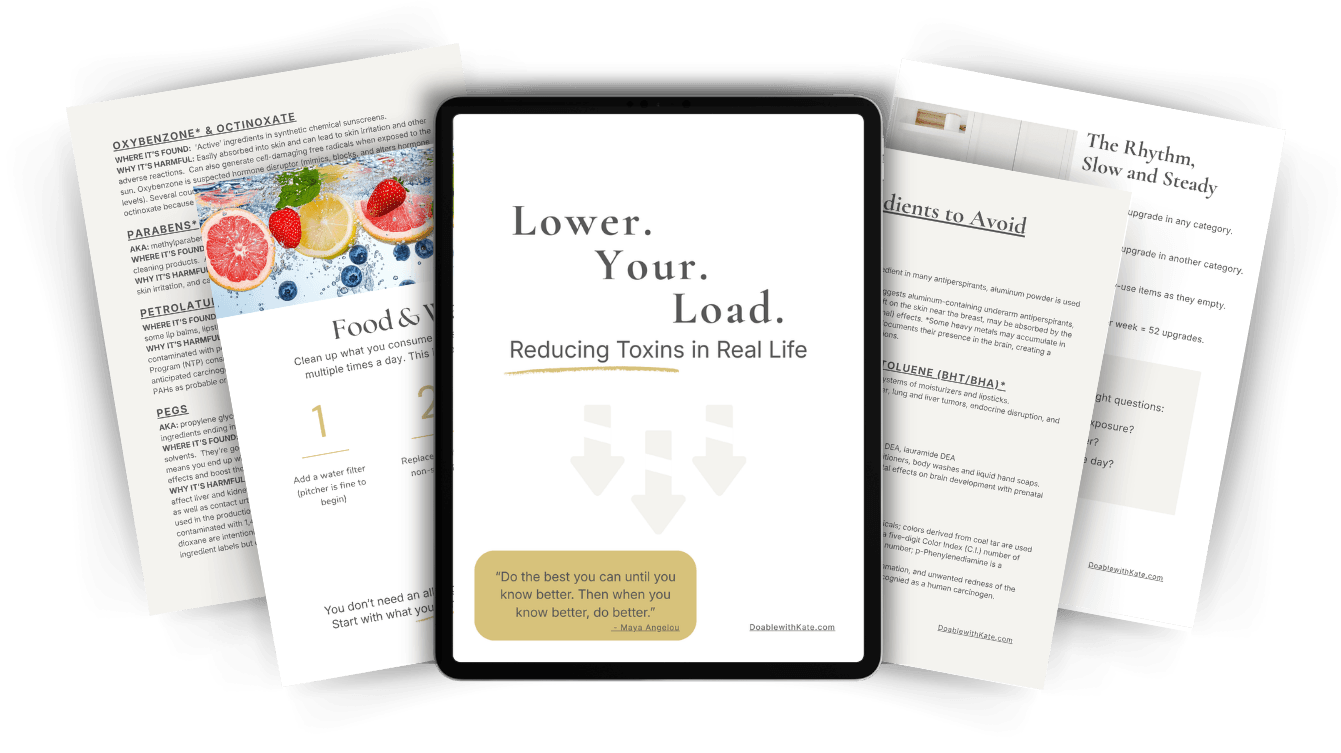
I've put together this guide 'Lower Your Load' explaining
the top 3 culprits of toxic exposure along with a
list of ingredients to avoid, so you can do better for yourself and your family.
We HATE spam. Your email address is 100% secure



© 2026 Kate Andrews | K8 Enterprises LLC - All Right Reserved | Terms & Conditions
This page may contains affiliate links, which means I may make a small commission at no extra cost to you.